

If you’ve ever sourced outdoor canopies, you’ve seen the claims: “100% waterproof,” “heavy-duty rainproof,” “3000mm waterproof rating.” But here’s the truth most suppliers won’t tell you—not all “waterproof” fabrics are tested the same way, and the number alone doesn’t guarantee real-world performance.
At our factory, we don’t just print a number on a spec sheet. Every batch of Oxford fabric goes through real-world validation before it earns a place on our heavy-duty canopies. In this article, we’ll break down what 3000mm hydrostatic head actually means, how we verify it with practical tests, and why the seams matter just as much as the fabric itself.
What Is “3000mm Waterproof”?
3000mm refers to the hydrostatic head (HH) rating, measured in millimeters. It represents the amount of water pressure a fabric can withstand before it starts to leak.
- 3000mm = the fabric blocks a column of water 3 meters high
- Standard test methods: AATCC 127 or ISO 811
- In real-world terms: a 3000mm-rated fabric will keep you dry in heavy, wind-driven rain for extended periods.
This number comes from certified lab testing, but a fabric can pass the lab test and still leak in the field. That’s why we run our own practical validation on every material batch—using tests any buyer can understand and replicate.
Test 1: Surface Beading Test (Coating Quality Check)
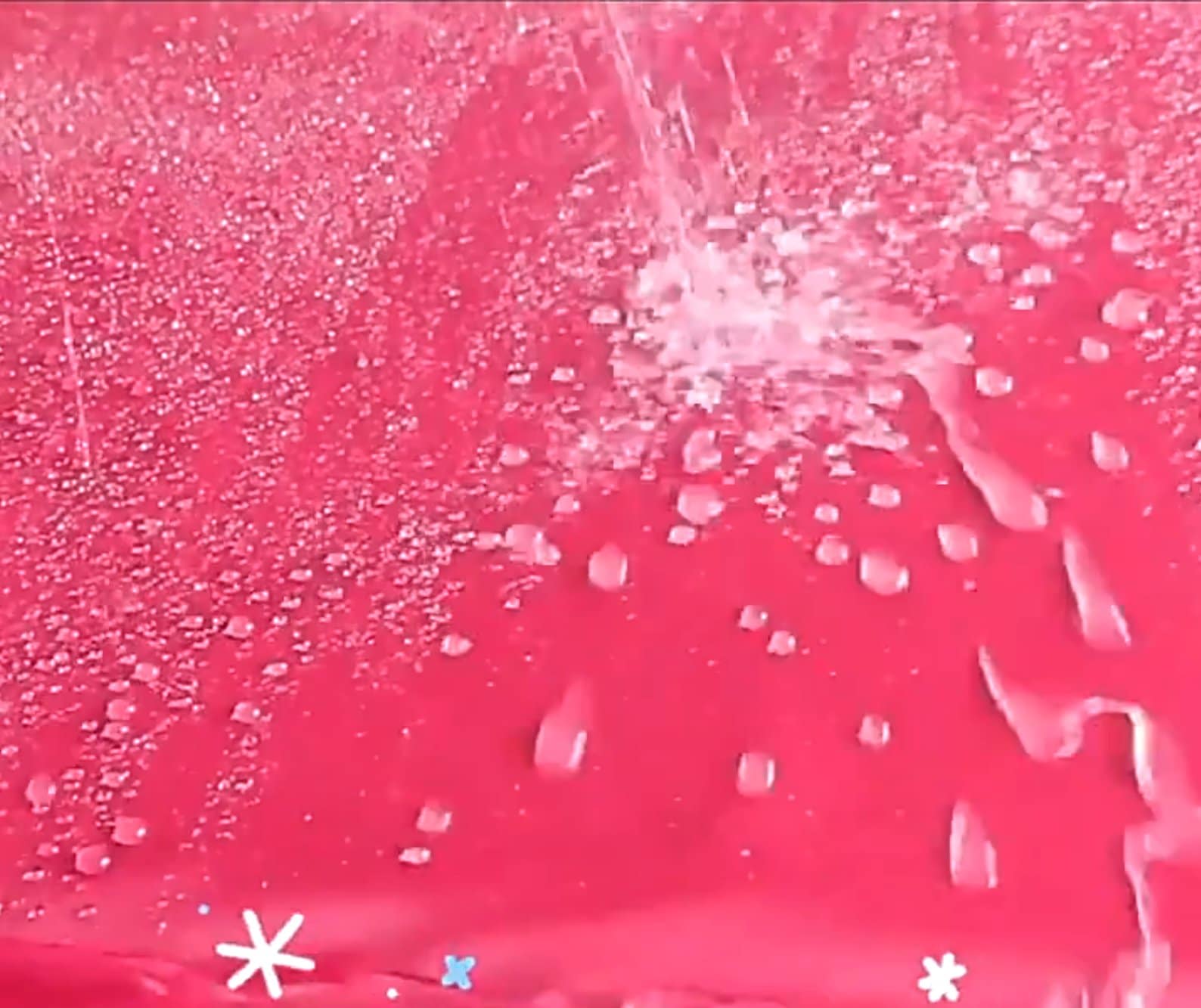
The first thing we check isn’t a machine reading—it’s surface behavior. A high-quality waterproof Oxford fabric with a proper PU or silver coating will show a clear “lotus effect”—water beads up and rolls off instead of soaking in.
What we look for:
- Instant beading on contact
- No darkening or wetting of the fabric face
- Droplets retain their shape even when the fabric is tilted
Red flag: If water spreads out and darkens the fabric immediately, the coating is either too thin or already degraded. That’s the difference between a canopy that lasts one season and one that lasts five years.
Test 2: High-Pressure Spray Test (Field Simulation)
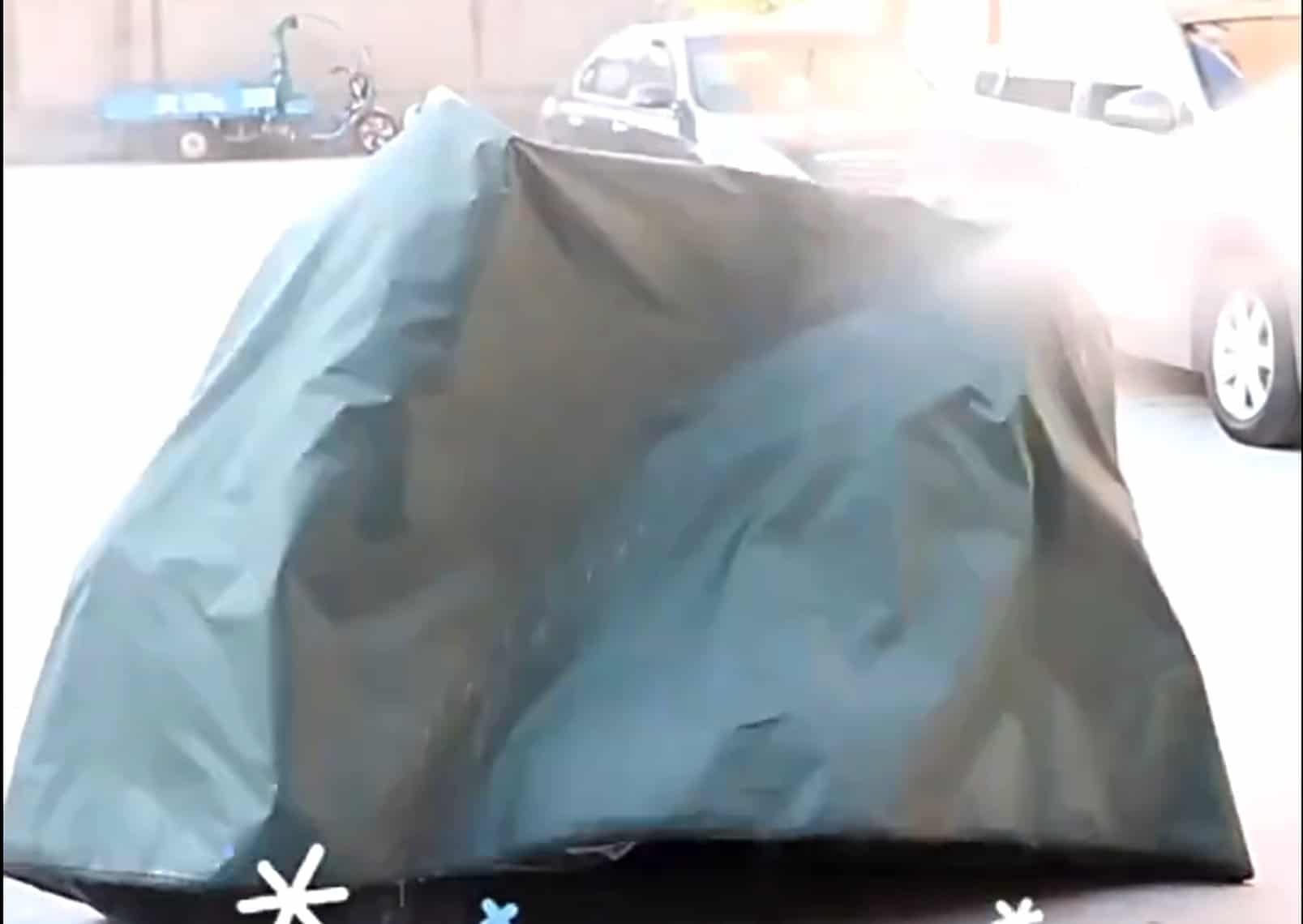
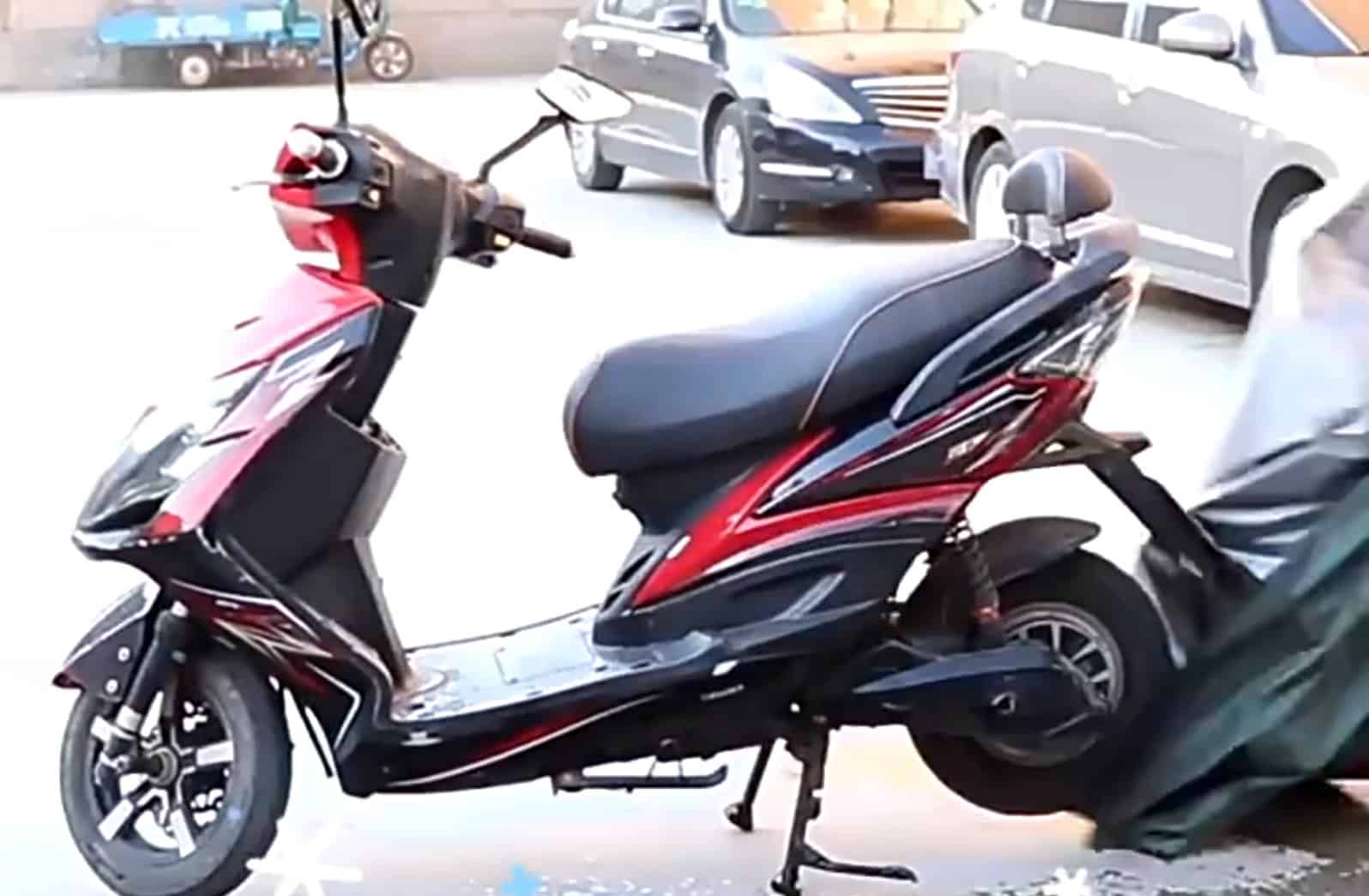
This is where we separate lab-grade waterproof from job-site waterproof. We take a finished canopy section (not just loose fabric) and hit it with a high-pressure water spray—simulating hours of wind-driven rain in a matter of minutes.
Test conditions:
- Pressure: Equivalent to heavy storm + wind pressure
- Duration: 30+ minutes continuous spray
- Target areas: Fabric surface and seam lines
Pass criteria: Zero water penetration on the inner side. If a single drop gets through, the batch fails.
Why this test is critical: Most leaks don’t happen through the fabric face—they happen at the seams. A canopy can have 4000mm fabric and still leak if the stitching wicks water inward. Our test checks the entire assembly, not just the material.
The Hidden Weak Point: Seams Matter More Than Fabric
A 4000mm fabric with poor seams will leak faster than a 2000mm fabric with sealed seams. That’s why our heavy-duty canopies use:
- Heat-sealed seams with waterproof tape on the inside
- Double-needle stitching for structural strength
- Reinforced seam lines at high-stress points (ridge, corners, grommet attachments)
Buyer tip: When evaluating a canopy supplier, always ask for a seam sample test, not just a fabric certificate. The best fabric in the world won’t save a tent with needle holes wicking water inward.
Is 3000mm Enough? A Quick Market Guide
| Application | Recommended HH | Notes |
|---|---|---|
| Light sun shade / fair weather | 800mm–1500mm | Not suitable for rain protection |
| General outdoor events, carports | 3000mm | Industry standard for reliable rain protection |
| Heavy storm regions, long-term use | 5000mm+ | Requires reinforced frame + sealed seams |
| Snow load / permanent structures | 5000mm+ | Consider PVC or architectural fabrics |
For 90% of B2B distributors and event rental businesses, a true 3000mm Oxford canopy with sealed seams hits the sweet spot of performance, weight, and price.
How to Verify a Supplier’s Waterproof Claims (3 Simple Checks)
If you’re comparing multiple canopy factories, you don’t need a lab. Here are three practical checks any buyer can do:
1. The Beading Test
Sprinkle water on the fabric. If it beads up like mercury, the coating is good. If it spreads and soaks in, walk away.
2. The Tilt Test
Lift the fabric at an angle. Quality waterproof fabric will let water roll off. Poor fabric will hold water and eventually seep through.
3. The Seam Spray Test
Focus water pressure directly on a stitched seam for 2–3 minutes. Check the back side immediately. This is where 80% of cheap canopies fail.
Conclusion: Don’t Buy the Number. Buy the Proof.
“Waterproof 3000mm” is just a starting point. What matters is whether the factory actually validates every batch, whether the seams are sealed, and whether the coating holds up under real pressure—not just in a lab report.
At our facility, we don’t ship a single heavy-duty canopy until the fabric surface and the assembled panel have both passed our practical waterproof protocol. If you’re looking for a factory partner that tests like your reputation depends on it—because it does—we’re ready to quote.